
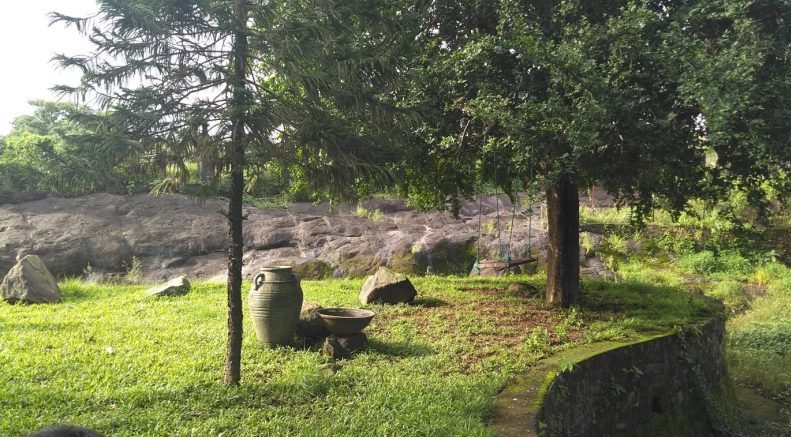
We See Trees Every Day, But Do We Really Look?
We pass trees every day. On our way to work, during our morning walks, while driving through the city, or simply while going about our everyday routines. They are always around us, but how often do we actually stop and look at them?
I started thinking about this through my own practice as an artist. I often find inspiration in things that might seem ordinary at first—a dry leaf, a piece of bark, a fallen twig, the shape of a branch, or the texture of a tree trunk.
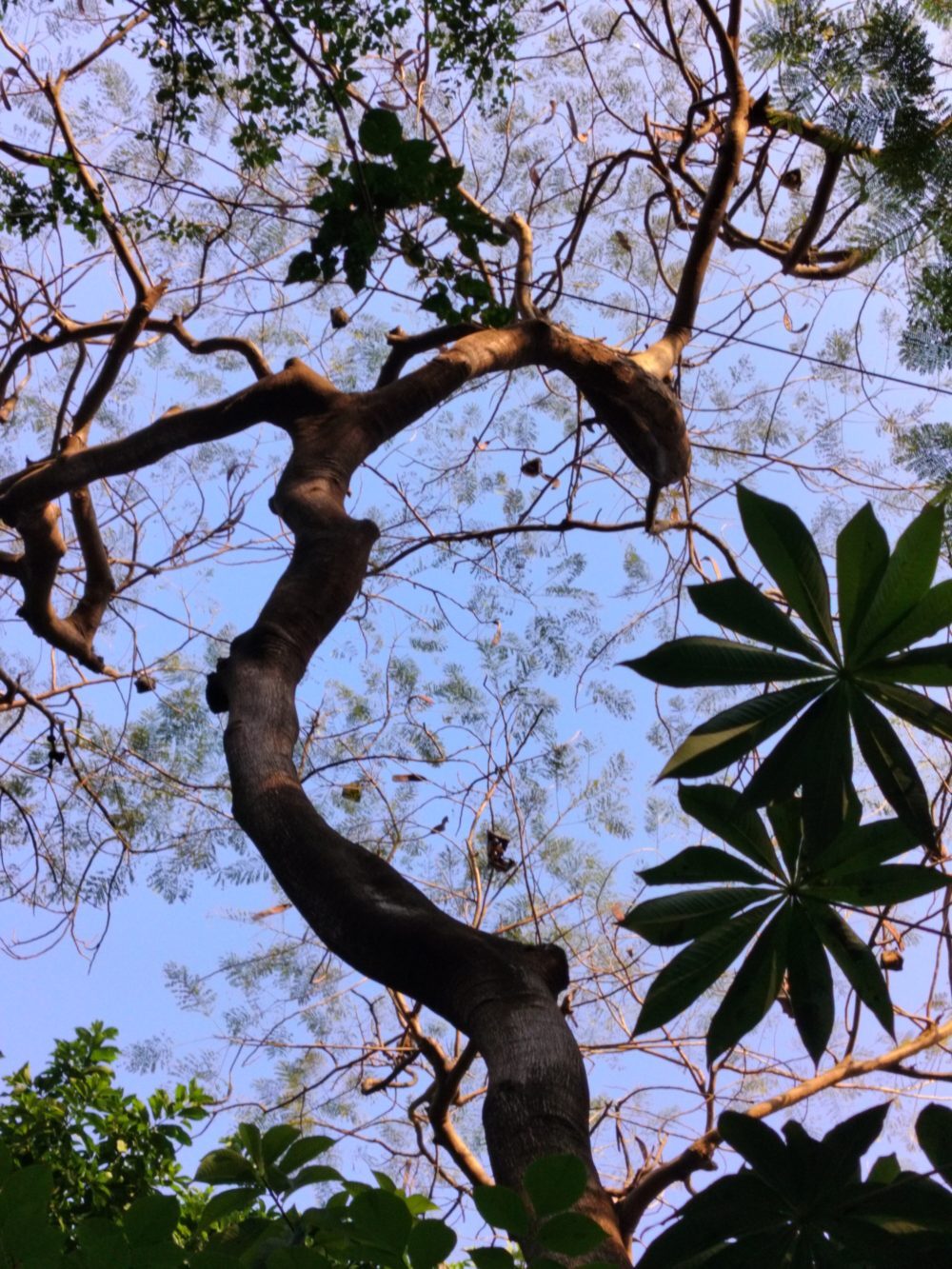
These little things may not seem important when we first see them. But when I slow down and really observe them, I realise there is so much to notice.
Trees Are Always Changing
One of the things I love most about trees is that they are constantly changing. A tree in summer looks different from the same tree during the monsoon. New leaves appear, old ones fall, flowers bloom, branches grow and change, and the bark slowly becomes marked by time. Sometimes moss or other little forms of life appear. Even the changing light can completely transform the way a tree looks.
And yet, we still recognise it as the same tree. I find something comforting in that. Perhaps we can change in so many ways too, while still remaining ourselves.
The Art of Looking Closely
I think learning to notice is also a kind of practice. As artists, we are often told to develop our observation skills, but you don’t have to be an artist to practise looking closely.
The next time you are near a tree, try not to look at it only as a whole. Look at the bark. Is it smooth or rough? Can you see cracks, lines or tiny patterns? Look at the branches and notice how they move. Watch how the light passes through the leaves. Listen to the sounds around it. Look at the ground beneath the tree. You might notice fallen leaves, tiny insects, seeds, roots or other small details you usually walk past.
Suddenly, something you have seen many times can feel completely new.
When Nature Finds Its Way Into My Art
This kind of looking often becomes the starting point for my art. I work with mixed media and found natural materials such as dried leaves, twigs and other things I collect from my surroundings. I am drawn to their textures, imperfections, marks and the stories they seem to carry.
I don’t necessarily want to recreate what I see. Instead, I like to respond to it. A texture might become a mark on my canvas. A branch might turn into a line. Fallen leaves might lead me towards a particular colour, memory or feeling. A tree might make me think about roots, relationships, growth, change or the passage of time.
For me, this is where nature and art come together.
Slowing Down Can Also Be a Creative Practice
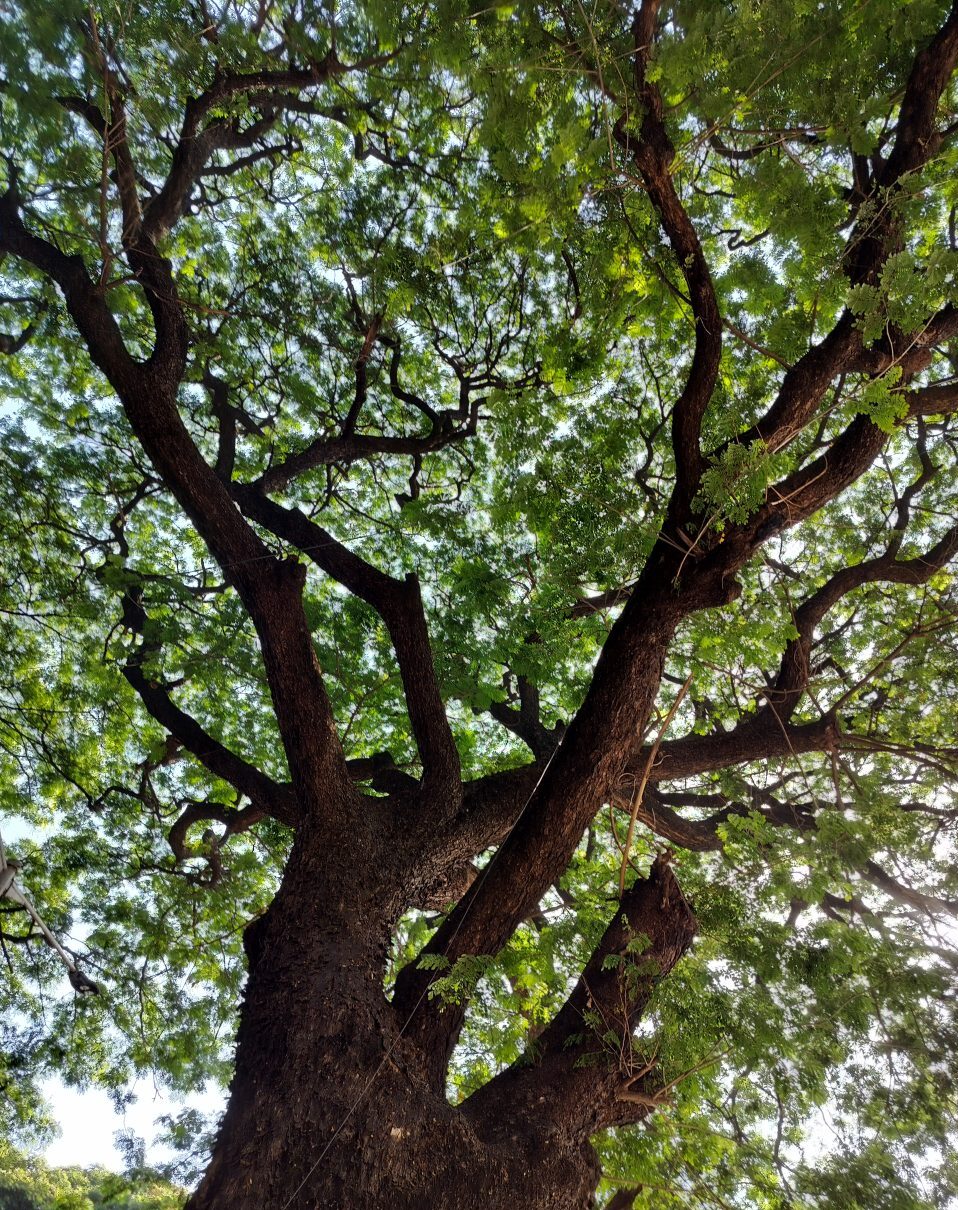
Our days can be so full of movement. We are checking messages, answering calls, making plans, finishing tasks and rushing from one thing to another. Trees don’t ask us to do anything. They simply stand there, changing slowly with the seasons.
And when we give ourselves a moment to notice them, they remind us to pause.
I think that pause matters—not just for creativity, but for us. Sometimes we don’t need to do something new. We simply need to look at something familiar in a different way.
Start With One Tree
You can start with just one tree. You don’t need to know its name or understand everything about it. Choose a tree you pass regularly and spend five minutes with it. Notice what changes from one day to another. Take a photograph, make a quick sketch, collect a few observations in a notebook, or simply write down one word about how the tree makes you feel.
Do this for a few weeks and you may begin to see that tree differently. And perhaps, slowly, you’ll begin to notice the rest of your surroundings differently too.
Perhaps Trees Have Been Teaching Us All Along
For me, that is one of the beautiful things about art. It teaches us to pause, to look closely and to see again what we thought we already knew.
And perhaps trees have been teaching us the same lesson all along.

